NEURODIVERSITY, A VITAL EXPRESSION OF HUMAN COGNITIVE RICHNESS AND POTENTIAL
Neurodiversity is not a set of deficits to be accommodated, but a vital expression of human cognitive richness and potential. Claudio Lucchiari, psychologist, and Annalisa Banzi, art historian, draw on William James’s philosophical concept of the pluriverse to propose the Museum as a pluriverse, a concrete operationalisation of the Brain-Friendly Museum (BFM) approach.
Rather than merely integrating neurodivergent audiences into a standardised structure, the Museum as a Pluriverse redesigns the architecture of the visitor experience from the ground up. It functions as a non-hierarchical ecosystem where multiple, equally valid modes of engagement coexist (sound-enriched audio descriptions, tactile narratives, and ethical, preference-based AI orientation) allowing every mind to choose, combine, and navigate the museum in alignment with its own cognitive profile and needs.
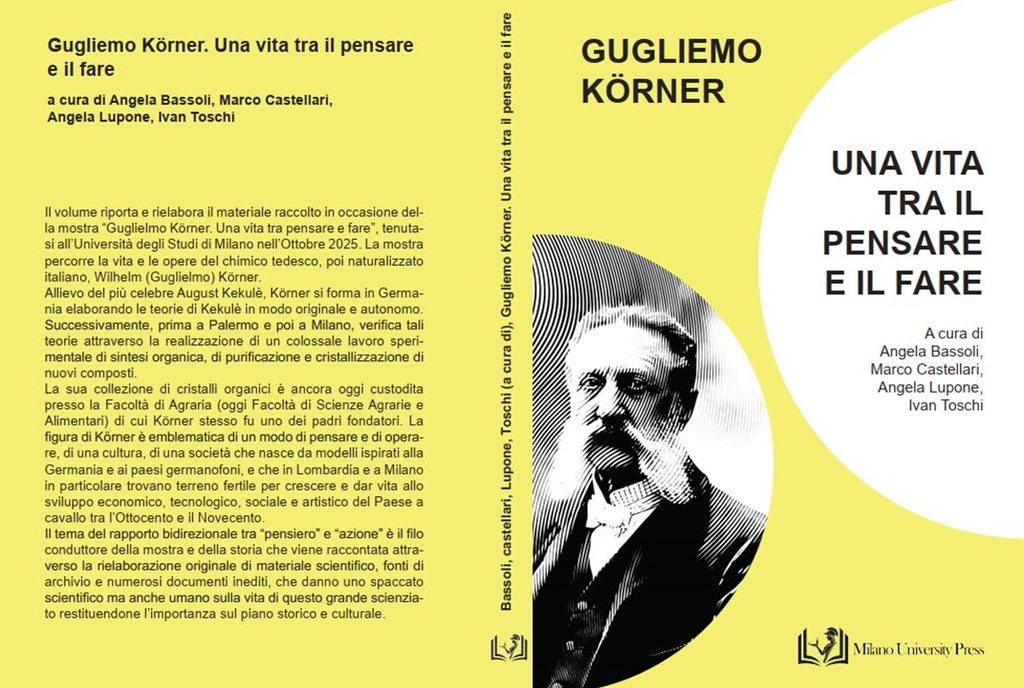
Translating these theoretical and universal design principles into practice, the researchers have also actively contributed to the design of the “Guglielmo Körner. Una vita tra il pensare e il fare” exhibition, applying the Pluriverse Museum and Brain-Friendly Museum frameworks to create a genuinely plural and accessible curatorial experience, such as the “quiet hours” (l’ora del silenzio) and the Dali’s method https://pensarefare.it/il-metodo-di-dali-per-sognare-ad-occhi-aperti/